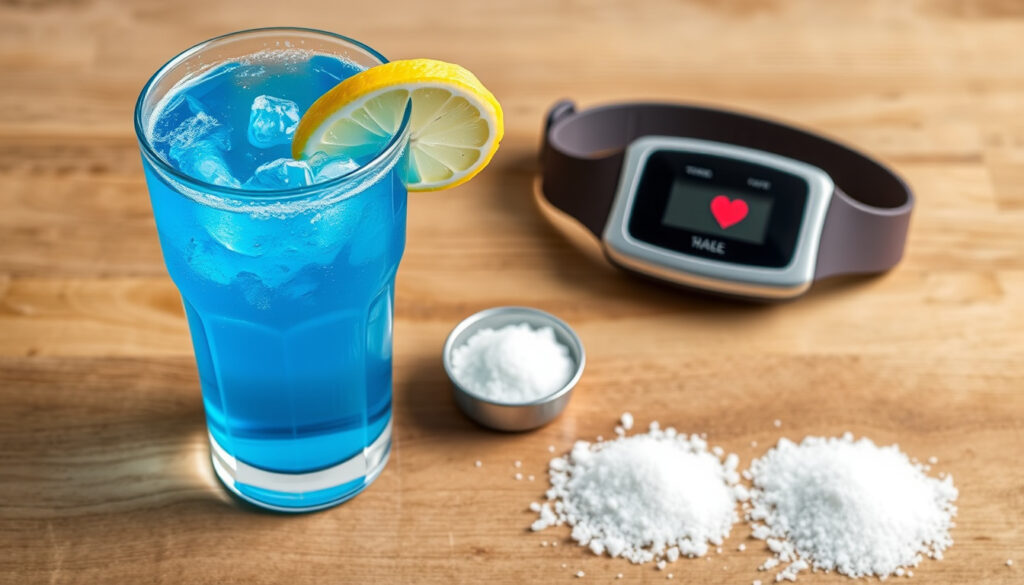
Are Electrolyte Good for You? Benefit and Ri k
You’ve heard the buzz about electrolyte drinks, and maybe you’re wondering if you should be adding them to your morning routine. But here’s the thing: for most people, adding more can backfire, so this article sorts through the marketing noise to give you a clear, evidence-based picture.
Essential electrolytes for human health: 6 (sodium, potassium, calcium, magnesium, chloride, phosphate) ·
Recommended daily sodium intake: Less than 2,300 mg for adults ·
Daily potassium recommendation: 3,400 mg for men, 2,600 mg for women ·
Electrolyte loss during moderate exercise (1 hour): Up to 1 liter of sweat containing sodium and potassium
Quick snapshot
- Plain water is usually sufficient (American Heart Association)
- Include fruits and vegetables for natural electrolytes (World Health Organization)
- Avoid electrolyte water unless medically indicated (Cleveland Clinic)
- Sweat losses can be replaced with electrolyte drinks during prolonged activity (American Heart Association)
- Short workouts under 1 hour generally do not require supplements (American Heart Association)
- Consult sports nutrition guidelines for intensity and duration (American Heart Association)
- Electrolyte solutions (e.g., oral rehydration salts) help prevent dehydration (NCBI Bookshelf)
- Avoid sugary sports drinks; choose low-sugar alternatives (Cleveland Clinic)
- Seek medical help if severe symptoms persist (NCBI Bookshelf)
- Monitor water intake to prevent dehydration (American Heart Association)
- Ask your doctor about electrolyte monitoring (American Heart Association)
- Watch for symptoms like muscle cramps or dizziness (American Heart Association)
Here are the essential facts about electrolytes.
| Key Fact | Details |
|---|---|
| What are electrolytes | Minerals that carry an electric charge and are vital for nerve signals, muscle contractions, and fluid balance. |
| Main types | Sodium, potassium, calcium, magnesium, chloride, phosphate. |
| How you lose them | Through sweat, urine, vomiting, diarrhea. |
| When you need extra | During intense exercise, illness, heat exposure, or certain medications. |
| Potential harms of excess | High blood pressure, kidney stones, irregular heartbeat. |
Is it healthy to drink electrolytes?
Electrolytes are essential, but consuming them when you don’t need them turns a physiological benefit into a dietary risk. The average UK adult already eats 8g of salt daily — far above the WHO’s 5g upper limit — and adding electrolyte drinks only pushes sodium levels higher.
What are electrolytes and why are they important?
- Electrolytes are minerals that carry an electric charge, essential for nerve signal transmission and muscle contractions (NCBI Bookshelf).
- They help regulate blood pressure, blood glucose, heart rate, and the body’s water balance (American Heart Association).
- The six main electrolytes — sodium, potassium, calcium, magnesium, chloride, and phosphate — work together to keep your body’s internal environment stable.
Key benefits of adequate electrolyte intake
- Proper hydration: Electrolytes help your body retain the water you drink, preventing dehydration during illness or heavy sweating.
- Nerve and muscle function: Without sufficient electrolytes, your nerves can’t send signals and your muscles may cramp or weaken.
- Electrolyte supplementation is generally not needed for exercise lasting less than 75 minutes if intensity is not very high (American Heart Association).
Potential risks of overconsumption
- Excess electrolyte intake can cause heart rhythm issues, fatigue, nausea, and other symptoms (American Heart Association).
- The Dietary Guidelines recommend no more than 2,300 milligrams of sodium per day for adults (American Heart Association).
- One or two electrolyte drinks are usually enough for most people to restore balance after depletion (Cleveland Clinic).
- If thirst continues after one or two electrolyte drinks, switch to water (Cleveland Clinic).
Should I drink electrolytes daily?
For the average office worker who exercises moderately, daily electrolyte drinks add unnecessary sodium to an already salt-heavy diet. The people who genuinely benefit are a smaller group than the marketing suggests.
Daily electrolyte needs for average adults
- Daily electrolyte needs vary by activity level and health status.
- For most sedentary individuals, plain water and food provide sufficient electrolytes (American Heart Association).
- The Institute of Medicine notes that a safe minimum sodium intake might be set at 500 mg/day given variation in activity and climate exposure (NCBI Bookshelf).
- WHO advises adult potassium intake of at least 3,510 mg/day (World Health Organization).
When daily supplementation may be beneficial
- Athletes or people in hot climates may require additional electrolytes (Cleveland Clinic).
- Electrolyte drinks can be useful after intense exercise or heavy sweating in hot conditions (Cleveland Clinic).
- People who lose large amounts of electrolytes through sweat, illness, or certain medications may benefit from targeted supplementation (American Heart Association).
Signs you are getting too many electrolytes
- Overuse of electrolyte drinks can lead to confusion, irritability, arrhythmia, breathing difficulties, headaches, muscle cramps or weakness, and gastrointestinal symptoms (Cleveland Clinic).
- Pregnant women and people with kidney disease should be particularly cautious (American Heart Association).
- Blood pressure medications can affect electrolyte balance, so discuss supplements with a clinician (American Heart Association).
The pattern: Daily electrolyte drinks are marketed as a health essential, but for most people they’re solving a problem that doesn’t exist. The real benefit is reserved for athletes, manual workers in hot climates, and people recovering from illness.
How can I tell if I need electrolytes?
Common symptoms of electrolyte deficiency
- Symptoms include muscle cramps, fatigue, dizziness, and irregular heartbeat.
- Excess electrolyte intake can cause heart rhythm issues, fatigue, nausea, and other symptoms (American Heart Association).
- Sweat loss, illness, or certain medications can deplete electrolytes.
Self-assessment checklist
- Activity level: Do you exercise intensely for more than 75 minutes regularly? If not, plain water is probably enough (American Heart Association).
- Environment: Are you in a hot climate or doing physical labor? Heavy sweating increases electrolyte loss.
- Health status: Have you had diarrhea, vomiting, or fever recently? Illness can rapidly deplete electrolytes.
- Medications: Are you on blood pressure medication or Mounjaro/tirzepatide? Some drugs alter electrolyte balance (American Heart Association).
When to consult a healthcare provider
- Blood tests are the definitive way to check electrolyte levels.
- If you experience persistent symptoms like muscle cramps, fatigue, or dizziness, seek medical advice rather than self-diagnosing.
- Pregnant women and people with kidney disease should be particularly cautious with supplements (American Heart Association).
The implication: If you’re healthy, eating well, and not pushing your body hard, you almost certainly don’t need electrolyte supplements. Trust your diet, not the marketing.
What will happen if I drink electrolyte water every day?
Effects of daily electrolyte water consumption on hydration
- For most people, daily electrolyte water is unnecessary and may lead to excess sodium intake (American Heart Association).
- It can be helpful for those who lose large amounts of electrolytes through sweat (American Heart Association).
- A reputable clinical source advises that electrolyte drinks should not become an all-day beverage (Cleveland Clinic).
Potential benefits for specific groups
- Electrolyte drinks may help with faster rehydration, reduced fatigue and cramping, and improved muscle function and recovery.
- People in hot climates or doing intense physical labor may benefit from regular electrolyte intake.
Risks of relying on electrolyte water over plain water
- Overuse may cause electrolyte imbalances or digestive issues (Cleveland Clinic).
- Too much electrolyte intake can cause heart rhythm issues, fatigue, nausea, and other symptoms (American Heart Association).
The catch: Replacing plain water with electrolyte drinks every day is like adding salt to every meal — you’re getting more sodium than you realize. For most people, water remains the superior hydrator.
Do I need electrolytes on Mounjaro?
How Mounjaro affects hydration and electrolyte balance
- Mounjaro (tirzepatide) can reduce appetite and increase water loss, making adequate hydration crucial to prevent side effects like nausea and constipation.
- Electrolyte supplementation may be needed under medical guidance.
Recommended water and electrolyte intake on Mounjaro
- Monitor water intake to prevent dehydration.
- Ask your doctor about electrolyte monitoring.
- Watch for symptoms like muscle cramps or dizziness — these can signal an imbalance.
Why this matters: Mounjaro patients face a double bind — reduced food intake means fewer natural electrolytes, while increased water loss demands careful hydration. A quick electrolyte drink may help, but always run it by your clinician first.
Confirmed facts vs. What’s unclear
Confirmed facts
- Electrolytes are essential for basic physiological functions (NCBI Bookshelf).
- Most healthy adults meet their needs through diet and plain water (American Heart Association).
- Overconsumption of sodium from electrolyte drinks can raise blood pressure (American Heart Association).
What’s unclear
- Optimal daily electrolyte intake for different populations (e.g., athletes vs sedentary).
- Long-term effects of daily electrolyte water consumption on kidney function.
- Whether electrolyte supplements improve performance in all exercise types.
These distinctions help clarify what we know and what remains uncertain.
Expert perspectives
Electrolyte-infused waters can help maintain hydration but are not designed for improving exercise performance.
— American Heart Association (cardiology authority)
At the most basic chemical level, electrolytes help your body maintain balance.
— Cleveland Clinic (clinical medical institution)
Electrolytes are essential for basic life functions, including fluid balance and nerve transmission.
— Bupa UK (global healthcare provider)
The pattern: Experts across cardiology, clinical medicine, and public health agree — electrolytes are vital, but the average person doesn’t need to chase them. The ones who do are specific and well-defined.
Pros and Cons of Electrolyte Supplementation
Upsides
- Helps prevent dehydration during intense exercise or illness (Cleveland Clinic).
- Supports nerve and muscle function (NCBI Bookshelf).
- Useful for people in hot climates or doing physical labor.
- Can aid recovery after illness with diarrhea, vomiting, or fever.
Downsides
- Excess sodium intake can raise blood pressure (World Health Organization).
- Overuse may cause heart rhythm issues, fatigue, nausea (American Heart Association).
- Unnecessary for most people — leads to wasted money and added sodium.
- Can cause confusion, irritability, and breathing difficulties if overused (Cleveland Clinic).
This summary shows the trade-offs clearly.
While food sources usually suffice, drinks like Gatorades electrolyte profile illustrate how electrolyte levels are tailored for athletes rather than everyday consumers.
Frequently asked questions
Are electrolytes good for you when you have a cold?
Yes, if you have diarrhea, vomiting, or fever, electrolyte solutions can help prevent dehydration. Avoid sugary sports drinks and choose low-sugar options like oral rehydration salts (Cleveland Clinic).
Are electrolytes good for you before a workout?
For short workouts under 75 minutes, plain water is sufficient. For longer or very intense sessions, electrolyte drinks can help maintain hydration (American Heart Association).
Can you drink too many electrolytes?
Yes. Overuse can cause heart rhythm issues, confusion, fatigue, nausea, and other symptoms (Cleveland Clinic). Stick to one or two drinks after depletion, then switch to water.
What foods are high in electrolytes?
Bananas (potassium), leafy greens (magnesium), dairy (calcium), table salt (sodium and chloride), and fish (phosphate) are excellent natural sources.
How do electrolytes affect blood pressure?
Sodium raises blood pressure, while potassium helps lower it. The WHO recommends limiting salt to less than 5g per day and consuming at least 3,510 mg of potassium daily (World Health Organization).
What are the symptoms of an electrolyte imbalance?
Muscle cramps, fatigue, dizziness, irregular heartbeat, confusion, and nausea. Consult a healthcare provider if you experience these persistently.
Should I give my child electrolyte drinks?
Only if recommended by a pediatrician, such as during illness with diarrhea or vomiting. For daily hydration, water and a balanced diet are best.
These FAQs address common concerns about electrolyte use.
For the average adult in the UK or US who eats a standard Western diet, the decision is clear: skip the electrolyte supplements, drink water when thirsty, and get your minerals from food. For most people, skipping electrolyte supplements is the safer choice because your sodium intake is already high.
More related posts
 Judges Scientific Share Price: Is JDG a Buy Now
 Have the Clocks Gone Back – UK 2024 Date and Impacts
 How Long Was Pope Francis Pope – Tenure, Facts and Timeline
 Gordon Ramsay Street Pizza – Locations, Menu, Deals Guide
 Body Mass Index Calculator – Accurate NHS Charts and Guide
 Dog Rescue Near Me: Small Rescue Dogs & Adoption in Ireland
 What’s On ITV Tonight – Full Schedule 22 March 2026