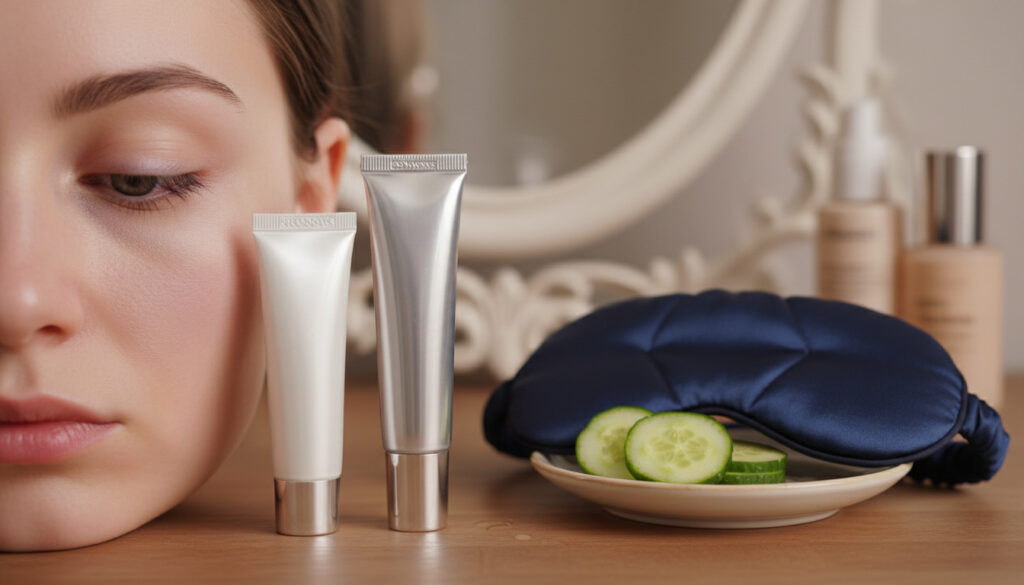
Dark Circles Under Eyes – Causes, Treatments & Prevention
Dark circles under the eyes represent one of the most common dermatological complaints, affecting individuals across all ages and ethnicities. The condition manifests as visible discoloration in the under-eye area, ranging from bluish and purplish tints to brown or gray shadows, depending on the underlying cause.
Medical professionals emphasize that effective treatment requires identifying the specific mechanism driving the discoloration. Research indicates that visible blood vessels, increased pigmentation, fatigue, aging, and genetic predisposition all contribute to the condition, with different types responding to distinct therapeutic approaches.
While often considered a cosmetic concern, the presence of dark circles sometimes signals underlying health issues requiring medical attention. Understanding the distinction between temporary lifestyle-induced discoloration and persistent structural changes helps determine whether home remedies suffice or professional intervention becomes necessary.
What Causes Dark Circles Under Eyes?
Vascular Factors
The skin beneath the eyes ranks among the thinnest on the human body, rendering underlying blood vessels visible. Poor circulation creates blood pooling that generates bluish or purplish discoloration, particularly noticeable with sleep deprivation or dehydration.
Pigmentation Issues
Excess melanin production produces brown, gray, or dark discoloration, particularly prevalent in individuals with higher baseline melanin levels. UV exposure, chronic eye rubbing, and post-inflammatory hyperpigmentation from eczema trigger this mechanism.
Structural Changes
Aging reduces periorbital fatty tissue and collagen, thinning skin further and creating tear trough hollows that shadow the under-eye area. These anatomical changes produce darkness through light shadowing rather than discoloration.
Lifestyle Factors
Sleep deprivation, excessive salt intake, alcohol consumption, smoking, and eye strain from digital screens contribute to temporary vascular congestion and fluid retention. Allergies and sinus congestion dilate blood vessels and increase localized swelling.
- Genetic predisposition represents the most common cause and proves most resistant to permanent elimination
- Iron deficiency anemia frequently correlates with under-eye discoloration and pale skin contrast
- All ethnicities experience dark circles, though higher melanin levels increase pigmentation-type prevalence
- Asymmetrical presentation often indicates localized vascular issues, sleeping position, or unilateral eye rubbing
- UV exposure exacerbates both pigmentation and skin thinning through cumulative damage
- Chronic eye rubbing triggers post-inflammatory hyperpigmentation and mechanical skin thinning
| Factor | Mechanism | Reversibility |
|---|---|---|
| Sleep deprivation | Blood vessel dilation and poor circulation | High (with adequate rest) |
| Genetics | Inherited thin skin and melanin distribution | Low (manageable only) |
| Aging | Collagen loss and fat pad reduction | Moderate (treatable) |
| Allergies | Histamine release and vascular congestion | High (with management) |
| Iron deficiency | Reduced oxygenation and pale skin contrast | High (with supplementation) |
| UV exposure | Melanin overproduction and elastin breakdown | Moderate (preventable) |
How Do You Get Rid of Dark Circles Under Eyes?
Treatment selection depends entirely on identifying whether vascular congestion, excess pigmentation, or structural volume loss drives the discoloration. Clinical observations suggest that combination approaches addressing multiple mechanisms yield superior results compared to single-modality treatments.
Home Remedies and Natural Treatments
Cold therapy represents the most accessible intervention for vascular-type dark circles. Applying cold compresses or chilled spoons constricts dilated blood vessels and reduces puffiness by limiting fluid accumulation. Cleveland Clinic specialists recommend this method particularly for morning puffiness that resolves as the day progresses.
Sleep elevation offers another mechanical solution. Raising the head with additional pillows prevents fluid from pooling in the lower eyelids overnight, potentially reducing both swelling and the shadowing effect that accentuates dark circles.
Over-the-Counter Solutions
Topical formulations containing specific active ingredients target distinct pathological mechanisms. Caffeine constricts blood vessels to reduce vascular darkness and puffiness, while vitamin C, kojic acid, and niacinamide inhibit melanin production for pigmentation issues. Dermatology experts note that retinoids increase cell turnover and thicken skin, making underlying vessels less visible, while hyaluronic acid and ceramides repair the delicate moisture barrier.
For bluish circles: Look for caffeine and vitamin K. For brownish discoloration: Prioritize vitamin C, kojic acid, and niacinamide. For hollow shadows: Consider peptides and hyaluronic acid for plumping effects.
Medical and Professional Treatments
When topical agents prove insufficient, dermatological interventions offer more aggressive correction. Laser treatments reduce visible blood vessels and fragment melanin deposits, effectively addressing both vascular and pigmented variants. Clinical studies indicate that chemical peels exfoliate pigmented layers to even skin tone, particularly for hyperpigmentation-dominant cases.
Collagen-stimulating therapies thicken dermal tissue to better conceal underlying vasculature, while dermal fillers address tear trough hollowness associated with age-related volume loss. Most professional modalities require periodic maintenance treatments to sustain long-term results.
Are Dark Circles Under Eyes Permanent?
The permanence of under-eye discoloration depends fundamentally on etiology. While some causes resolve completely with intervention, others persist as chronic structural features requiring ongoing management.
Genetic vs. Acquired Cases
Mount Sinai Health System identifies genetic predisposition as the most common cause and the most resistant to permanent elimination. Hereditary factors determine skin thickness, melanin distribution, and vascular architecture—characteristics that topical treatments cannot fundamentally alter. However, consistent skincare and lifestyle modifications can significantly reduce visibility even in genetic cases.
Reversible Causes
Acquired dark circles stemming from lifestyle factors often demonstrate complete reversibility. Sleep deprivation, dehydration, excessive salt intake, and allergic reactions typically resolve within days to weeks once the triggering factor is eliminated. Clinical observations confirm that iron deficiency anemia-related discoloration frequently fades following nutritional correction.
How Can I Prevent Dark Circles Under Eyes?
Prevention strategies target the modifiable risk factors that exacerbate under-eye discoloration. Consistent application of these measures reduces both incidence and severity of dark circles across all age groups.
Sleep and Lifestyle Optimization
Obtaining 7–9 hours of quality sleep nightly regulates vascular tone and prevents the blood vessel dilation that creates bluish under-eye shadows. Sleep elevation using additional pillows minimizes fluid accumulation in the lower eyelids. Avoiding excessive salt intake, particularly before bedtime, reduces morning puffiness that accentuates shadowing.
Apply broad-spectrum SPF 30+ sunscreen daily and wear UV-protective sunglasses to prevent collagen breakdown and melanin overproduction in the delicate periorbital area.
Allergy and Health Management
Controlling allergic rhinitis and sinus congestion prevents histamine-induced vascular dilation and rubbing behaviors that trigger post-inflammatory hyperpigmentation. Treating underlying iron deficiency anemia and thyroid conditions addresses systemic contributors to under-eye discoloration. Smoking cessation proves critical, as tobacco accelerates skin aging and vascular compromise.
Consult a dermatologist if dark circles appear suddenly, affect only one eye, or accompany other symptoms such as swelling, itching, or systemic fatigue, as these may indicate underlying medical conditions requiring specific treatment.
How Long Do Dark Circles Under Eyes Last?
The duration of under-eye discoloration varies dramatically based on etiology, intervention timing, and individual physiological factors. Understanding typical timelines helps set realistic expectations for treatment outcomes.
- Acute Phase (24–72 hours): Sleep deprivation or excessive salt intake typically produces temporary discoloration resolving within one to three nights of adequate rest and hydration.
- Subacute Resolution (1–4 weeks): Allergic reactions and mild dehydration-related darkening fade following antigen avoidance and consistent fluid intake. Topical caffeine and vitamin C applications show initial visible effects during this window.
- Chronic Persistence (Months to Years): Genetic predisposition and age-related structural changes persist indefinitely without procedural intervention. Iron deficiency anemia requires 3–6 months of supplementation for complete resolution of associated discoloration.
- Treatment Response Milestones: Professional laser treatments and chemical peels require 4–6 sessions spaced 3–4 weeks apart for optimal results, with maintenance sessions every 6–12 months thereafter.
Do Dark Circles Under Eyes Mean Lack of Sleep?
The relationship between sleep and under-eye discoloration involves complex physiological mechanisms that extend beyond simple fatigue. While sleep deprivation frequently exacerbates dark circles, it rarely serves as the sole causative factor.
Established Understanding
- Sleep deprivation causes blood vessel dilation and venous pooling, creating temporary bluish discoloration
- Inadequate sleep reduces skin hydration and compromises barrier function, making underlying structures more visible
- Quality sleep (7–9 hours) supports vascular tone and lymphatic drainage, reducing morning puffiness
- Chronic sleep debt accumulates oxidative stress, accelerating collagen breakdown
Remaining Uncertainties
- Individual variation in sleep requirement thresholds for visible under-eye changes
- Specific genetic polymorphisms affecting vascular response to sleep deprivation
- Quantitative relationship between sleep quality metrics (REM duration, sleep efficiency) and discoloration severity
- Long-term reversibility of sleep-induced collagen changes versus genetic aging
Why Do I Have Dark Circles Under One Eye?
Unilateral under-eye discoloration—darkness affecting only one eye—suggests localized rather than systemic causation. This asymmetry often indicates specific behavioral, positional, or vascular factors requiring targeted investigation.
Sleeping position frequently explains one-sided presentation. Consistently sleeping on one side creates gravitational fluid accumulation and vascular compression in the dependent eye. Similarly, unilateral eye rubbing—whether from localized allergic irritation, habit, or sensory issues—induces post-inflammatory hyperpigmentation affecting only the rubbed eye.
Vascular asymmetries, though less common, may indicate localized venous insufficiency or capillary fragility in one orbital region. In rare cases, unilateral darkening accompanies sinus infections or facial trauma affecting only one side. Persistent unilateral discoloration warrants dermatological evaluation to rule out nevus of Ota or other pigmentary disorders.
What Is the Medical Term for Dark Circles Under Eyes?
Clinicians refer to this condition as periorbital hyperpigmentation—a term encompassing both melanin-related discoloration and the broader category of visible under-eye darkness resulting from vascular or structural factors. Medical literature classifies this as a harmless skin condition affecting the under-eye area, though it frequently carries significant psychosocial impact for affected individuals.
Dark circles under the eyes are a common condition caused by multiple factors including visible blood vessels, increased pigmentation, fatigue, aging, and genetics.
— Geisinger Health System, 2025
Genetics is the most common cause and the most resistant to treatment.
— Mount Sinai Health System
What Deficiency Causes Dark Circles Under Eyes?
Iron deficiency anemia stands as the primary nutritional deficiency associated with under-eye discoloration, creating a pale skin contrast that accentuates underlying vascular structures. While adequate intake of vitamins C, K, and E supports skin health and collagen synthesis, no single vitamin deficiency universally causes dark circles. Addressing iron status through dietary modification or supplementation—under medical supervision—often reduces discoloration within three to six months, particularly when combined with consistent sleep hygiene and sun protection protocols.
Frequently Asked Questions
Do dark circles under eyes go away?
Dark circles caused by lifestyle factors like sleep deprivation or allergies typically resolve within days to weeks once triggers are eliminated. However, genetic or age-related structural changes persist without treatment, though they can be significantly reduced through consistent skincare and professional procedures.
Is dark circles under eyes a sign of illness?
While usually harmless, dark circles occasionally indicate underlying conditions including iron deficiency anemia, thyroid disorders, or allergic diseases. Sudden onset accompanied by swelling, itching, or fatigue warrants medical evaluation to rule out systemic illness.
What foods cause dark circles under eyes?
Excessive dietary salt promotes fluid retention and morning puffiness, while alcohol causes dehydration and vascular dilation. Highly processed foods and those triggering allergic reactions may exacerbate inflammation and pigmentation in susceptible individuals.
Can allergies cause dark circles under eyes?
Allergic reactions trigger histamine release, causing blood vessel dilation and increased blood flow beneath thin under-eye skin. The resulting venous congestion creates characteristic bluish shadows, while rubbing itchy eyes induces post-inflammatory hyperpigmentation.
Best home remedies for dark circles under eyes?
Cold compresses constrict blood vessels and reduce puffiness immediately. Elevating the head during sleep prevents fluid accumulation. Consistent use of eye creams containing caffeine, vitamin C, or retinol addresses vascular and pigmentation components over four to eight weeks.
More related posts
 MAFS Australia Season 11: Couples Still Together & 2025 Updates
 How to Legally Avoid Paying the TV Licence in Ireland
 How Much Is a Pint? Sizes, ml, oz & Ireland Prices Explained
 English to Welsh Translation: Best Tools & Key Phrases
 Count Dooku: Why He’s Called Count, Sith Name & Analysis
 No Time to Die: Ending, Cast, Hit or Flop & Where to Watch
 Manchester United F.C. vs Ipswich Town – 3-2 Win, Stats and Highlights
 West Ham vs Brentford: Preview, TV Channel, and Protest News